
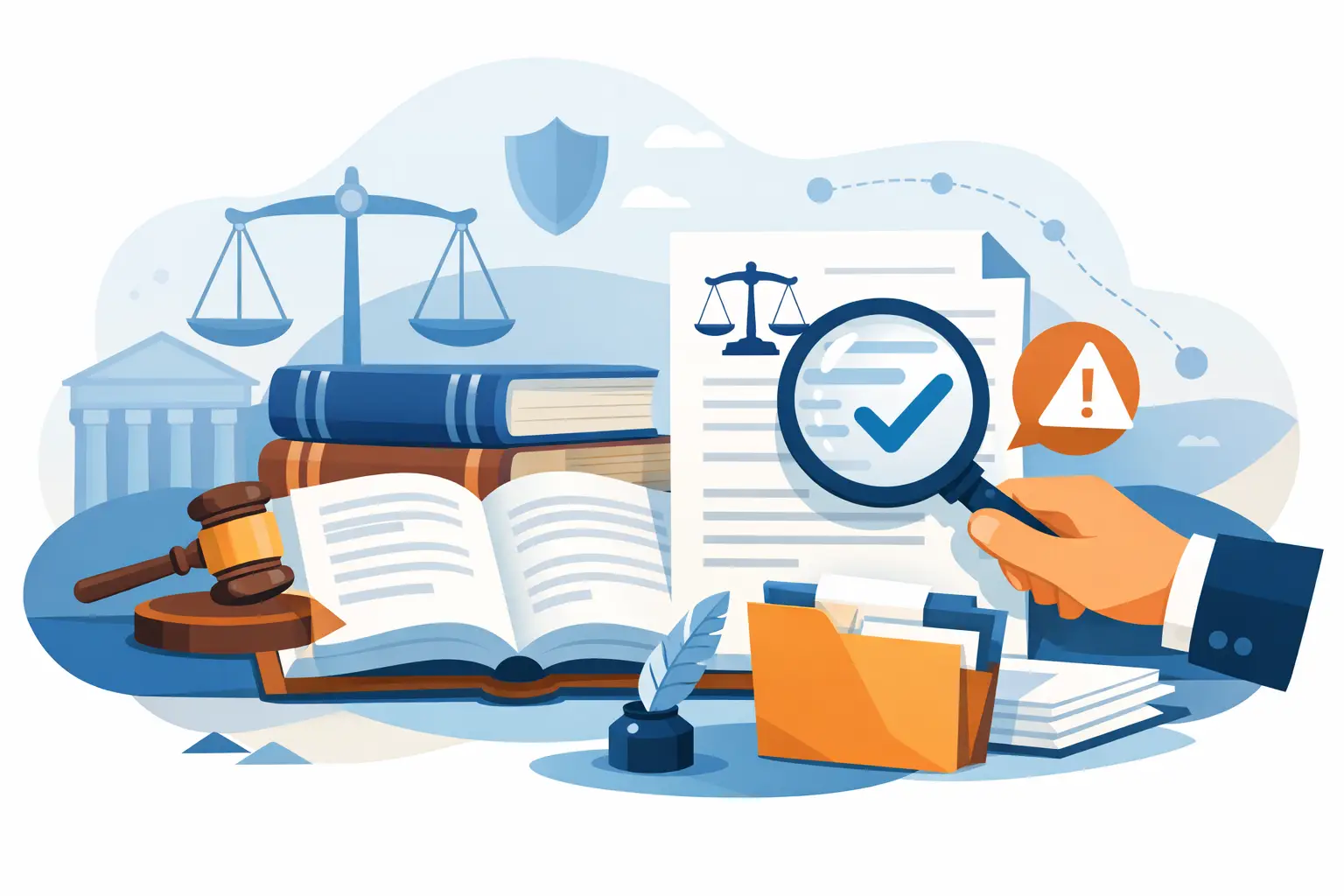
A citation that looks right at first glance can still send you to the wrong report, the wrong procedural stage, or a judgment that has since been overturned. That is why knowing how to verify case citations is not a clerical task. It is part of legal analysis. If the citation is wrong, incomplete, or out of date, everything built on it is less reliable.
For practitioners and students working with Hong Kong authorities, citation verification matters for more than neat footnotes. It affects whether you are relying on the authoritative version of a judgment, whether the proposition you are citing still stands, and whether a court or supervisor can locate the source quickly. Precision saves time later.
What verifying a case citation actually involves
When lawyers talk about verifying citations, they often mean more than checking whether the format is correct. Proper verification usually includes four separate checks. First, confirm that the case name matches the parties and the court decision you intend to cite. Secondly, confirm that the citation leads to the correct report or neutral citation. Thirdly, check that the decision date, court level, and procedural posture are consistent with your use of the case. Finally, assess whether the case remains good law for the point you are making.
That last point is where citation checking becomes substantive. A technically accurate citation can still be misleading if the judgment was reversed on appeal or distinguished to the point of limited value. Verification is therefore part source control and part legal risk management.
How to verify case citations step by step
The fastest way to work accurately is to verify in a fixed order. Changing methods mid-research usually creates duplication and missed issues.
Start with the case name and party details
Begin with the case name exactly as cited in the document you are reviewing. Small differences matter. A missing corporate suffix, a shortened government party name, or confusion between similarly named litigants can take you to a different matter altogether.
Check whether the style of cause reflects an appeal, judicial review, criminal prosecution, or interlocutory application. In Hong Kong materials, the same dispute may appear across several hearings and levels of court. If you are citing a specific ruling, make sure the party names correspond to that stage of proceedings rather than the broader litigation history.
Confirm the citation type
Next, identify whether you are dealing with a neutral citation, a report citation, or both. Neutral citations are assigned by the court and are particularly useful because they are not tied to a publisher. Report citations point to a published law report and may be preferred where a particular series is authoritative or widely used.
If both exist, do not assume they are interchangeable in every context. A neutral citation confirms the judgment identity. A report citation may direct the reader to the version with headnotes, editorial treatment, and accepted page references. Verification means understanding what function the citation is serving.
Check the court, year, and report series
A large share of citation errors come from basic metadata mismatch. Verify the court abbreviation, year, volume if applicable, and report series. Similar abbreviations can conceal significant differences in court level or publication source. That affects precedential weight and ease of retrieval.
This is also where parallel citations become relevant. The same judgment may be available in more than one report series. If your source lists multiple citations, identify which one is most appropriate for your jurisdiction, forum, or internal style guide. For submissions, consistency matters. For internal research, accessibility may matter more.
Read the judgment header, not just the search result
Search results are useful for triage, not for final verification. Open the judgment and inspect the header. Confirm the full case title, court, date, coram where relevant, and case number. If the document has catchwords or editorial notes, treat them as aids rather than substitutes for the judgment metadata itself.
This is the point at which many researchers catch hidden problems. A result may look correct because the case name is familiar, but the judgment may concern a costs order, leave application, or later appeal instead of the substantive ruling you intended to cite.
How to verify case citations where there are multiple decisions
Complex matters rarely produce a single authority. There may be first instance reasons, interlocutory rulings, appellate judgments, and subsequent remittals. Verifying the citation means pinning down which decision supports your proposition.
If you are citing a statement of principle, ask which court actually made it. If the Court of First Instance expressed one view and the Court of Appeal took another, citing the lower court without noting the later history is more than untidy. It can distort the law.
The practical rule is simple. Trace the case history before relying on any single citation. Confirm whether the judgment was affirmed, reversed, varied, or doubted. A good research platform should surface that history quickly so you are not reconstructing it manually from scattered references.
Common citation problems that waste time
Some errors appear so often that they are worth treating as warning signs.
One is relying on a secondary source citation without checking the primary judgment. Textbooks, articles, lecture notes, and even court documents can reproduce older errors. Another is mixing neutral citations with report references in a way that points to different decisions in the same litigation.
A third is citing only the case and not the relevant passage. Verification does not end once you have the right case. You should also confirm the paragraph or page reference for the proposition you are relying on. This is especially important in longer appellate judgments with multiple concurring reasons.
There is also a jurisdiction issue. A citation format that appears familiar from another common law jurisdiction may not map neatly onto Hong Kong practice. Researchers who move quickly between English, Australian, and Hong Kong authorities need to slow down at the citation stage. Similar structure does not guarantee identical reporting conventions.
When citation verification becomes a good law check
Strictly speaking, citation verification and treatment analysis are different tasks. In practice, they overlap. Once you have confirmed that a citation leads to the correct judgment, the next question is whether the judgment remains reliable for your point.
That means checking later judicial consideration. Has the case been followed, distinguished, doubted, or overruled? Has a statutory amendment weakened its relevance? Has a later Court of Final Appeal decision changed the governing approach?
This is where keyword research often slows down. You can find the case, but not necessarily the legal meaning of the later treatment. A semantic research workflow is more efficient because it helps you identify not just mentions of the case, but later decisions engaging with the same issue in context. For demanding research tasks, that difference is material.
A faster workflow for legal teams and students
The most efficient researchers do not treat verification as a final clean-up exercise. They build it into the first pass of authority review. When you open a case, verify the citation, note the court and procedural posture, capture the relevant passage, and check subsequent history before moving on. That prevents the familiar problem of extracting a useful quotation and only later discovering that the decision was appealed.
For teams, standardisation helps. Use one citation approach across drafts, advice notes, and internal memoranda. Record neutral citations where available, add the preferred report citation where appropriate, and keep paragraph references with every quoted proposition. This reduces rework at filing stage and makes peer review faster.
Students benefit from the same discipline. Verifying citations early improves the quality of essays, moots, and dissertation research because it forces closer attention to court hierarchy and procedural context. It also saves marks lost to avoidable citation inaccuracies.
What good verification tools should actually do
A useful research platform should do more than retrieve a case by title. It should help you disambiguate similar results, surface parallel citations, show judicial history, and let you move directly to the relevant passage. If you are working in Hong Kong law, jurisdiction-specific coverage is not optional. General databases can be broad yet still require extra manual checking where local reporting practice and legislative context matter.
This is where specialist tools can materially reduce friction. Common Laws.ai, for example, is built around Hong Kong legal research and supports citation work with jurisdiction-specific case coverage, semantic search, and fast access to relevant passages. The value is not just speed. It is speed without sacrificing verification standards.
How to know when a citation is fully verified
A case citation is properly verified when you can answer a short set of questions with confidence. Is this the exact judgment I mean to cite? Is this the best citation for the context? Does the court and date align with my proposition? Can the reader find the relevant passage immediately? Has anything in the later history changed the authority of the point?
If any of those answers is uncertain, the citation is not finished.
Legal research rewards precision at the margins. A verified citation does not only help your reader find a case. It shows that your analysis rests on the right authority, in the right form, at the right point in the law.
Leave a Reply